About 70 milesAround 600 feet · Borrego Springs
Dark nights in Borrego Springs
A desert town that keeps its lights low. How to plan a night under the stars around Borrego Springs: moon phase, red light, the Milky Way season and the cold.
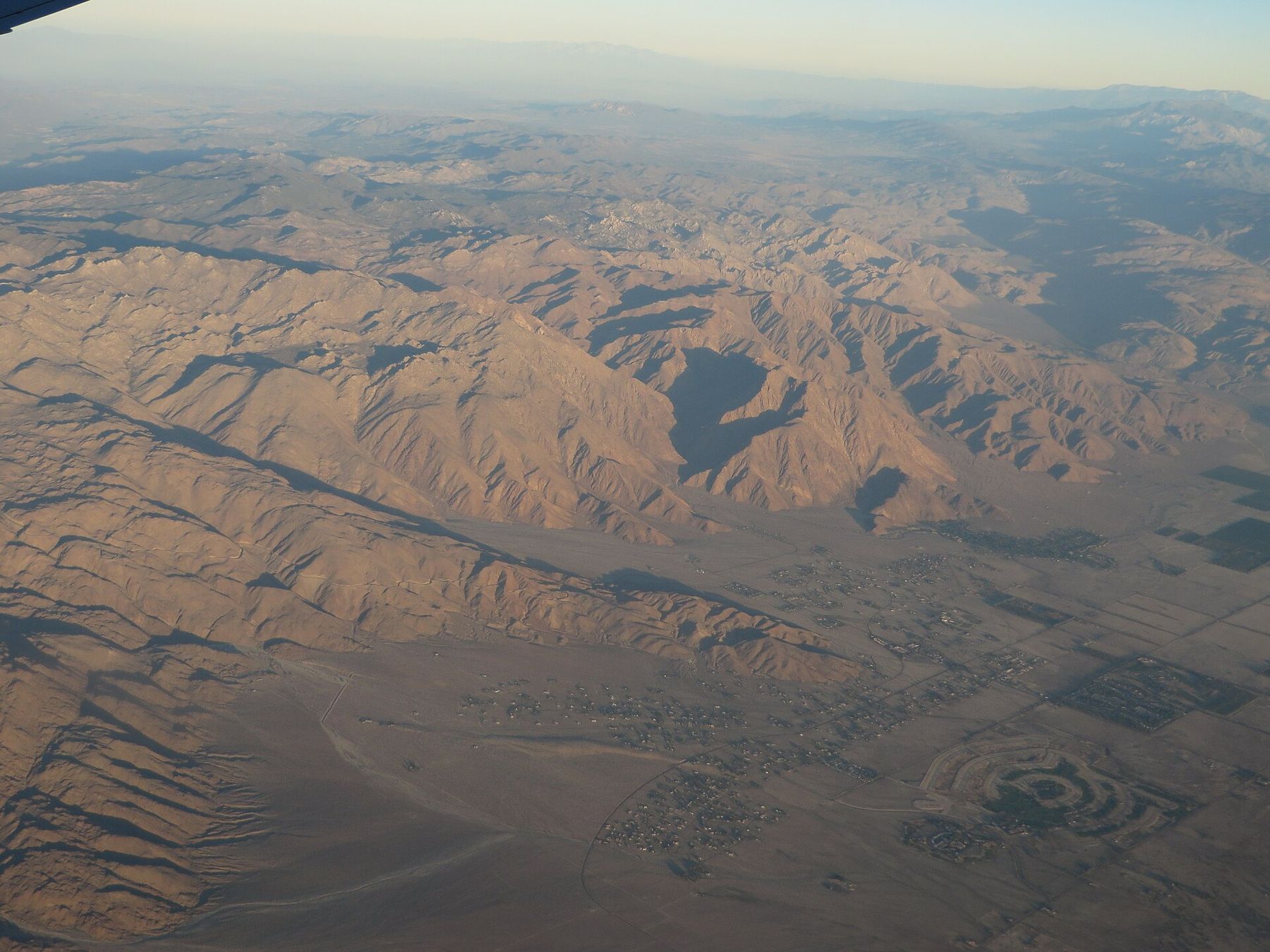
Borrego Springs is a small town in the middle of a large desert. Anza-Borrego Desert State Park surrounds it on almost every side, mountains wall it in, and the nearest cities are far away on the other side of those mountains. After sunset, when the last light fades over the San Ysidro Mountains, the sky above the valley turns a deep black that most people in Southern California rarely see.
That darkness is no accident. The town has worked to keep it, and in 2009 it was named an International Dark Sky Community, the first in California.
A town that chose the dark
Being a Dark Sky Community means that a place has adopted outdoor lighting rules and works with residents and businesses to keep light pointed down and kept to what is needed. In Borrego Springs, you will notice it as soon as you arrive after dark. Street lighting is sparse, many fixtures are shielded, and porch lights are warm and dim.
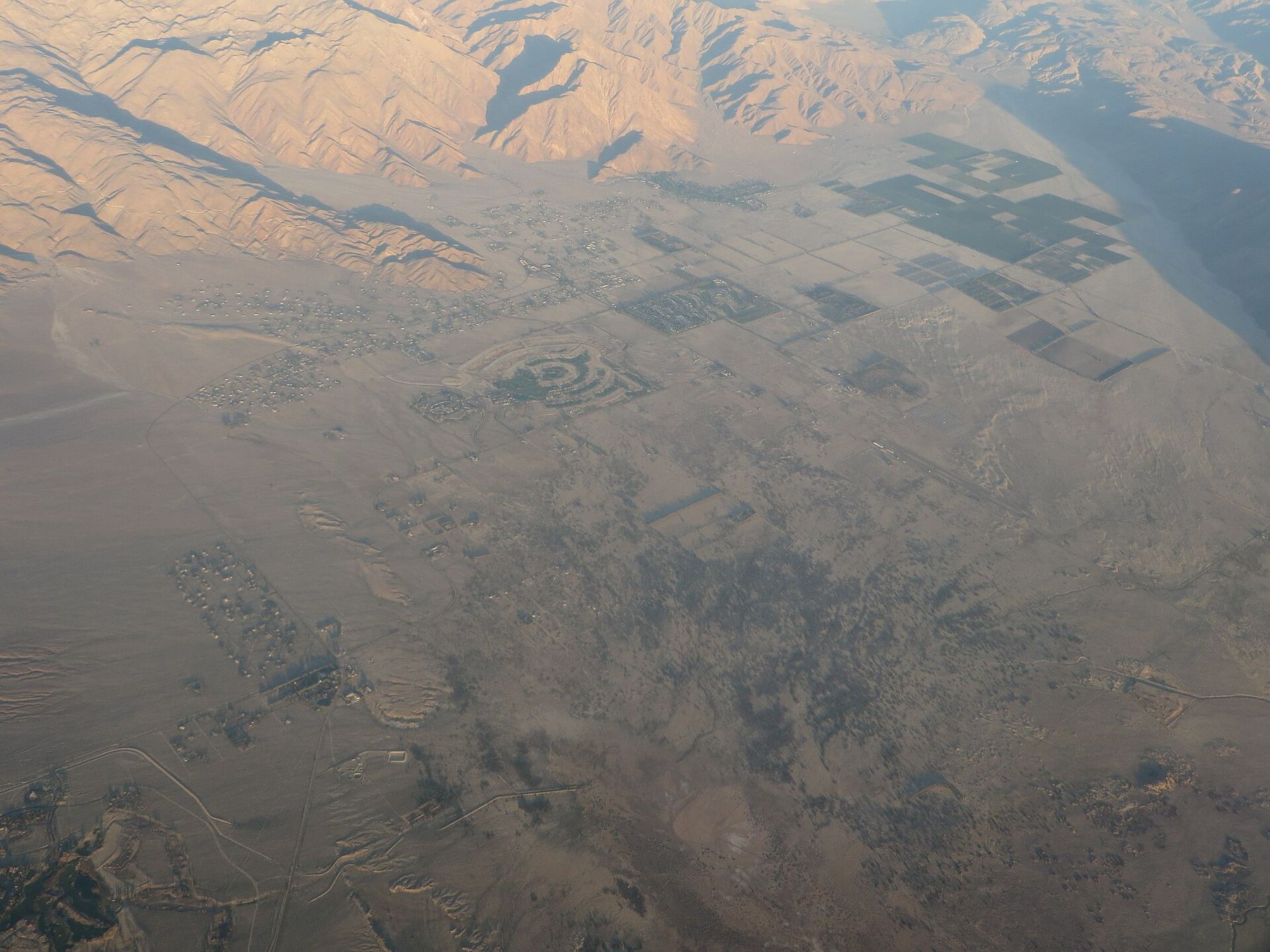
The result is a sky dark enough to show the Milky Way from the middle of town on a moonless night, and darker still a few miles out. Light glow from the coastal cities and the Coachella Valley shows on some horizons, but overhead the stars are thick.
Visitors are part of keeping it that way. Use as little light as you can, point it down, and turn off headlights and dome lights when you are parked at a viewing spot.
Reading the moon before you go
The moon matters more than anything else. A full moon lights the desert so brightly that you can walk without a lamp, and it washes out all but the brightest stars. For the darkest skies, plan your visit within a few days of the new moon, or on nights when the moon sets early in the evening or rises late.
A moon-phase calendar is easy to find, and checking it is the single best step you can take. Weather is the other factor: winter storms and summer monsoon clouds can cover the sky, and wind can lift dust that dims the stars. Check the forecast before you drive out.
- New moon and a few days either side give the darkest skies.
- Clear, still nights after winter storms are often the sharpest.
- Dust and haze dim the stars on windy days.
When the galaxy rises over the desert
The bright core of the Milky Way, the dense, glowing band toward the center of our galaxy, is best seen from the desert in spring and summer. In early spring it rises in the hours before dawn; by summer it is high in the south in the evening; by early autumn it sets soon after dark. In winter, the core is below the horizon at night, but the winter sky has its own rewards, with Orion, the Pleiades and the fainter outer arm of the Milky Way overhead.
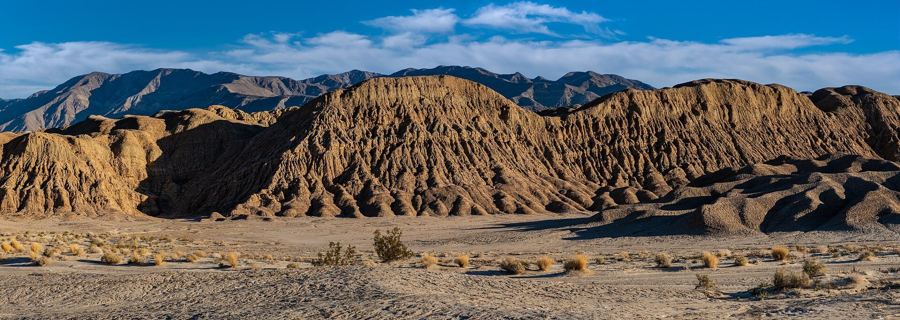 About 65 miles · Around 1,300 feetFirst light on the badlands from Font's Point
Summer nights bring their own problem: heat. Temperatures in Borrego Springs often stay in the 90s well into the evening in July and August, and the day before is dangerous. Spring and autumn are the most comfortable balance between a good sky and bearable temperatures.
Red light and dark eyes
Your eyes need time to adjust to the dark, often 20 to 30 minutes, and a moment of white light undoes it. Astronomers use red light because it disturbs night vision far less. A headlamp with a red setting, or a regular flashlight covered with red cellophane, works well. Dim your phone screen, switch it to a red or night mode, or put it away.
Be considerate of others nearby. If you arrive at a pullout where people are already watching the sky, approach with your headlights dipped or off and keep your light red and low.
Binoculars are worth bringing. Even ordinary ones show star clusters, the moons of Jupiter and the Andromeda Galaxy as a faint smudge. A simple star chart or planisphere helps you find your way around.
Where to stand in the dark
You do not need to go far. Pullouts on the roads leading out of town and the open desert around the edges of the valley offer wide horizons. The open land around Borrego Springs, where large metal sculptures stand among the creosote, is popular with photographers who frame the animals against the stars; the story of the metal animals of Galleta Meadows tells you how to find them.
For a wider view, some people drive the sandy road out to Font's Point above the Borrego Badlands; that road is better taken in daylight, and sunrise over the Badlands from Font's Point explains what it asks of a vehicle. Whatever spot you choose, park well off the road, never drive off established roads, and do not wander into the desert in the dark without knowing the ground.
Cold, wind and the long night
The desert loses heat fast after sunset. A winter day in the 70s can become a night near freezing, and the coldest hour is just before dawn. Bring more layers than you think you need, a hat and gloves, a blanket or sleeping bag, and something warm to drink. A folding chair or a mat makes a long night more comfortable.
Rattlesnakes and scorpions are active on warm nights, so Look before you reach onto a ledge or step over a rock. Carry water even after dark, and let someone know where you are going.
Borrego Springs is also a good base for daytime walks; the palms of Palm Canyon are a short drive from town. Check the moon, the forecast and the park's current notices before you go, and let the dark do the rest.